
Belonging, Equity, and Bridging
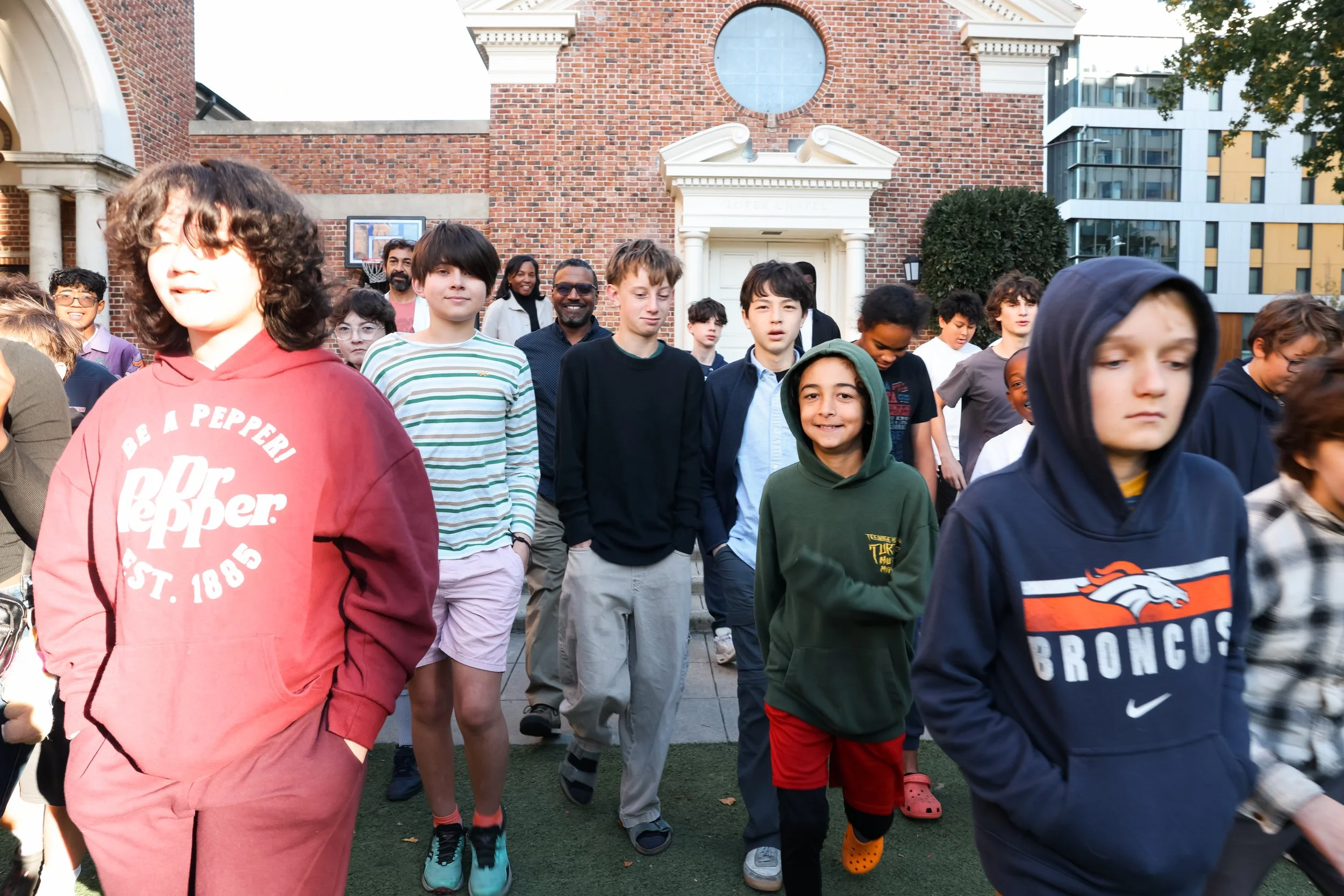
EBS is committed to developing an equitable and pluralistic learning environment that builds from the identities and capacities of each of our students, their families, and our staff. We believe that the students and staff at EBS have a responsibility to care for and contribute to the larger community it is a part of, beginning with our families, friends, and neighbors, and expanding to include the global community. In addition, intimate and authentic relationships that endure beyond a student's time at EBS are critical to the school's mission and sustainability as an institution.
EBS prides itself on being a community open to diverse perspectives and encourages students, staff, and parents to participate in healthy debate about politics, controversial topics, and differing viewpoints. Healthy debate requires active and compassionate listening, directly voicing one’s own opinion, and keeping an open mind and open heart about different perspectives than our own. If controversial topics arise at school in a classroom or other supervised space, teachers are asked to provide an equitable platform for discussion to allow students the opportunity to learn a healthy approach to difficult or controversial topics.
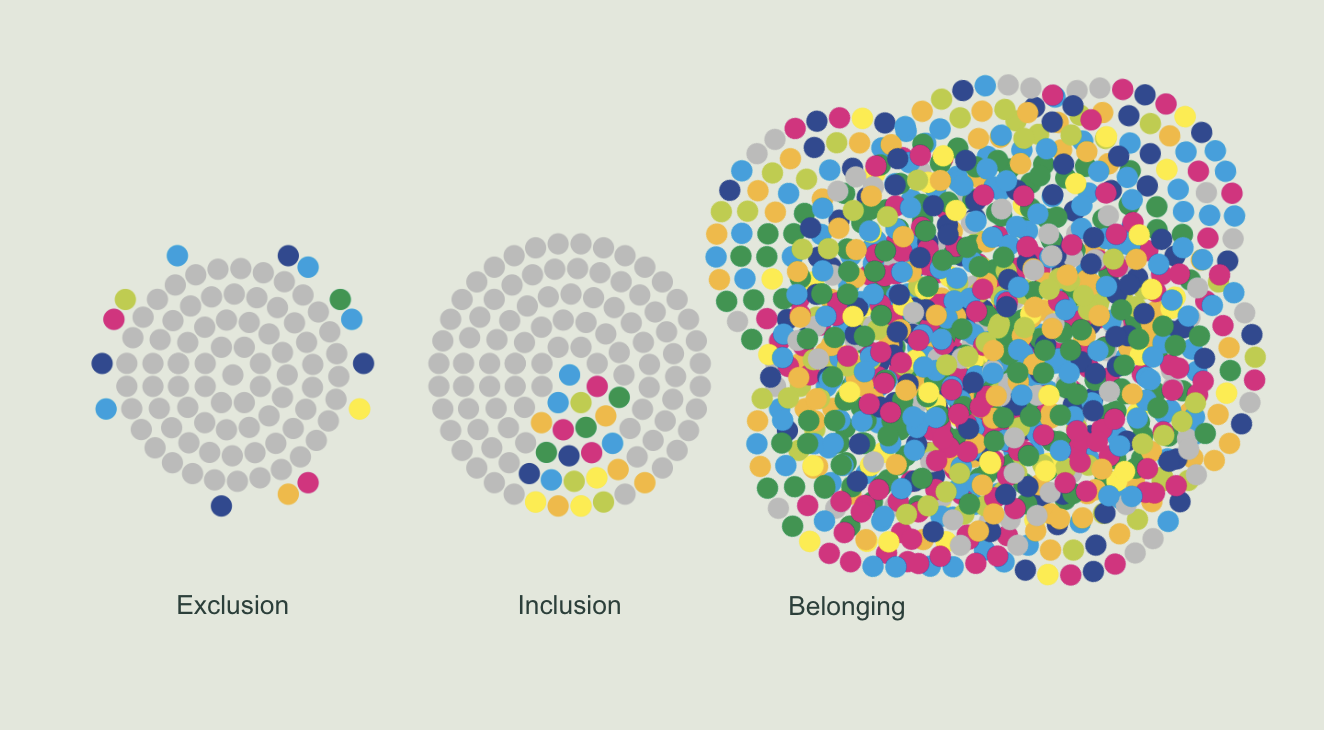
Image courtesy of Othering and Belonging Institute at UC Berkeley
Over the last year, EBS implemented the Bridging and Belonging curriculum created by UC Berkeley’s Othering and Belonging Institute, an organization created to help institutions, communities, and policymakers “identify and eliminate the barriers to an inclusive, just, and sustainable society in order to create transformative change.” In a series of immersive workshops, students and staff had an opportunity to take a deep dive into case studies of communities that have pushed through moments of breaking to find mechanisms for bridging. We looked at stories of Christians and Muslims bonding in Tennessee, Filipino Americans and Mexican Americans collaborating in the labor movement, Korean Americans and African Americans in LA taking steps toward reconciliation through community journalism in the aftermath of the Rodney King Riots, and a number of others.
We used the lessons learned by these communities as the springboard for a visioning session in which we prototyped initiatives, spanning our academic and experiential programs, that we believe will offer meaningful tools to help us combat racism, antisemitism, islamophobia, misogyny, homophobia, and other forms of hatred while strengthening our culture of belonging.